

Choosing the wrong packaging technology can cost you thousands in lost efficiency and wasted materials. Many coffee manufacturers struggle with this critical decision.
Premade pouch machines offer flexibility and quick changeovers (10-15 minutes), while VFFS systems provide higher speeds (60-120 bags/minute) and lower material costs. Choose premade pouches for diverse products and frequent changes, VFFS for high-volume consistent runs.
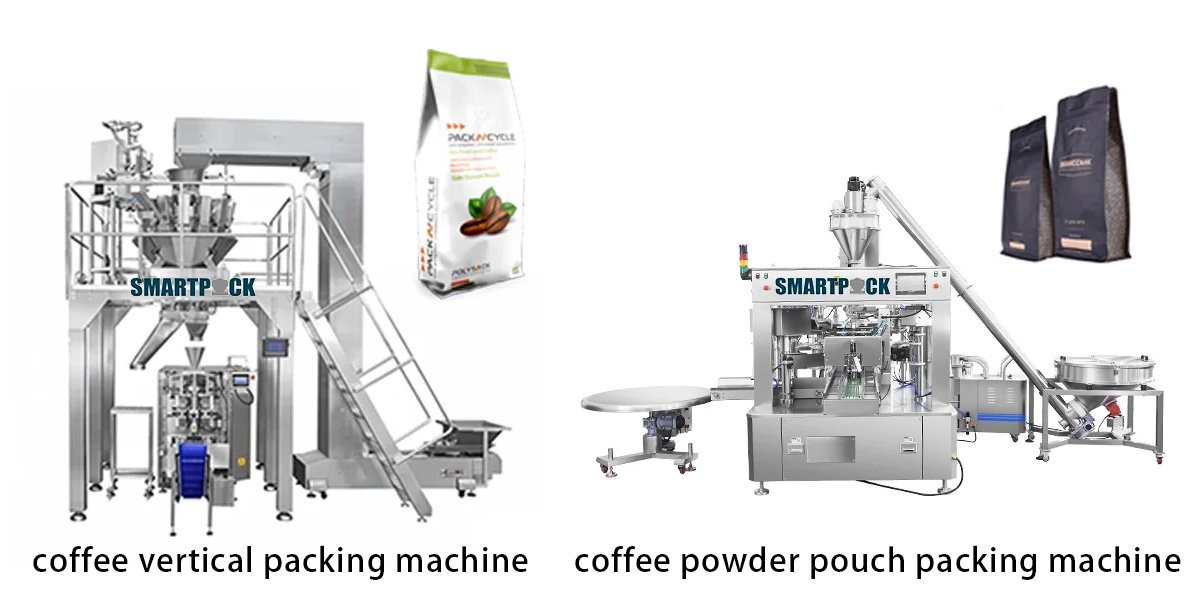
After installing over 1000 packaging systems worldwide at Smartpack, I've seen how the wrong choice impacts businesses. Let me share the insights that will help you make the right decision for your coffee packaging needs.
What Are the Key Differences Between These Technologies?
Understanding how each system works helps you see which fits your operation better. Most manufacturers don't realize these fundamental differences until it's too late.
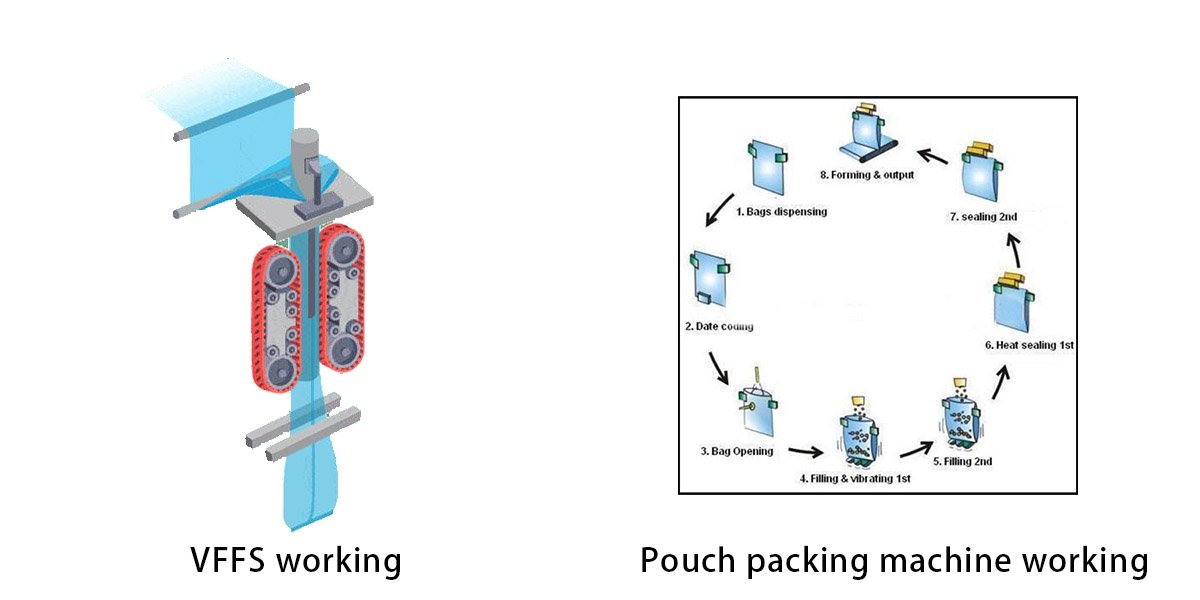
Premade pouch machines use factory-made pouches that get picked, opened, filled, and sealed. VFFS systems create bags continuously from roll film through forming, filling, and sealing in one process.
I remember visiting a specialty roaster last year who was struggling with their VFFS system. They were producing 12 different coffee blends in various sizes daily. Every product change took 90 minutes of downtime while they adjusted forming tubes and recalibrated settings. Their production efficiency was terrible.
We replaced their system with one of our premade pouch machines. Now they switch between products in 20 minutes by simply changing the pouch magazine. Their daily output increased 40% because they eliminated most of the changeover time. The owner told me it was like getting a completely new business.
Premade pouch systems handle stand-up pouches, flat pouches, pillow bags, and zipper pouches. The machine picks each pouch from a magazine, opens it with vacuum or mechanical grippers, fills it through a dosing system, then heat-seals the opening. The process is straightforward and reliable.
VFFS machines work differently. Film unrolls from a large roll, passes through a forming collar that shapes it into a tube, receives a vertical heat seal, moves to the filling station where product drops through a central funnel, then gets horizontal seals above and below to create individual packages. The process is continuous but complex.
How Do Operating Costs Compare Between Systems?
Initial machine price tells only part of the cost story. Operating expenses over the equipment lifetime often exceed the purchase price by several times.
VFFS systems typically have lower material costs but higher maintenance expenses due to more complex mechanisms. Premade pouch machines cost more per package but require less technical expertise and maintenance.
I worked with a large coffee producer who wanted to minimize packaging material costs. They chose VFFS specifically for the 10-15% material savings compared to premade pouches. The savings looked great on paper - about $50,000 annually on their volume.
What they didn't anticipate were the higher maintenance costs. VFFS systems have more moving parts - film drives, forming collars, multiple seal bars, and complex control systems. Their maintenance costs were $30,000 higher per year than comparable premade pouch equipment. The net savings were much smaller than expected.
VFFS machines also require more skilled operators. The setup and troubleshooting demand technical knowledge about film properties, heat sealing parameters, and mechanical adjustments. Training costs and higher operator wages can offset some of the material savings.
Premade pouch machines are mechanically simpler. The pick-and-place mechanisms and heat sealers require maintenance, but the overall complexity is lower. Most maintenance tasks can be handled by production staff with basic training. Specialized service calls are less frequent.
Energy consumption varies between systems but generally favors modern designs regardless of technology. Both approaches can integrate energy-efficient servo drives and optimized heating systems. The difference comes more from machine age and design quality than the fundamental technology choice.
Which Technology Offers More Flexibility for Your Product Range?
Flexibility becomes critical as your business grows and market demands change. The wrong choice can limit your ability to respond to opportunities.
Premade pouch machines handle diverse package styles from one platform by changing pouch supplies. VFFS systems offer good flexibility but require mechanical changes for major format differences.
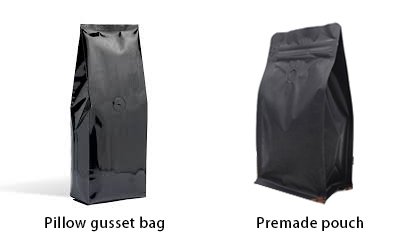
A specialty roaster contacted me because their VFFS system couldn't handle the growing demand for stand-up pouches with zippers. Their machine was designed for pillow bags, and converting it would cost nearly as much as buying new equipment. They were losing sales to competitors offering more attractive packaging.
We installed a premade pouch system that could handle flat pouches, stand-up pouches, zipper bags, and even some unique shapes for gift products. The same machine runs all formats by simply changing the pouch magazine and adjusting basic settings. Now they can test new package styles without major equipment investments.
VFFS systems can produce various bag styles, but switching between pillow bags, gusseted bags, and quad-seal designs requires different forming tubes and sometimes seal bar configurations. Some modern systems offer quick-change capabilities, but the changeover is still more complex than swapping a pouch magazine.
Product compatibility affects both technologies similarly. Whole bean coffee works well with either approach when paired with appropriate multihead weighers. Ground coffee creates more challenges due to dusting that can contaminate seal areas. Both technologies can handle powders, but the equipment must include features like dust extraction and enhanced cleaning systems.
Size ranges differ between technologies. Premade pouches can range from tiny single-serve sachets to multi-kilogram bulk packages using the same basic equipment. VFFS bag sizes are constrained by forming tube dimensions and film roll widths. While the range is substantial, extreme sizes might require specialized equipment or film suppliers.
Conclusion
Choose premade pouches for flexibility and frequent changeovers, or VFFS for high-volume consistent production. Consider your specific needs, product mix, and growth plans when making this critical decision.