

You may be able to keep the clamshells you already use. The practical question is whether the line can separate them from a stack, fill them to your target weight, and close them securely at the output you need. A short phone video gives Smartpack a first look at how your containers might run. A factory trial with your actual samples confirms whether you can keep the format and what machine setup it requires.
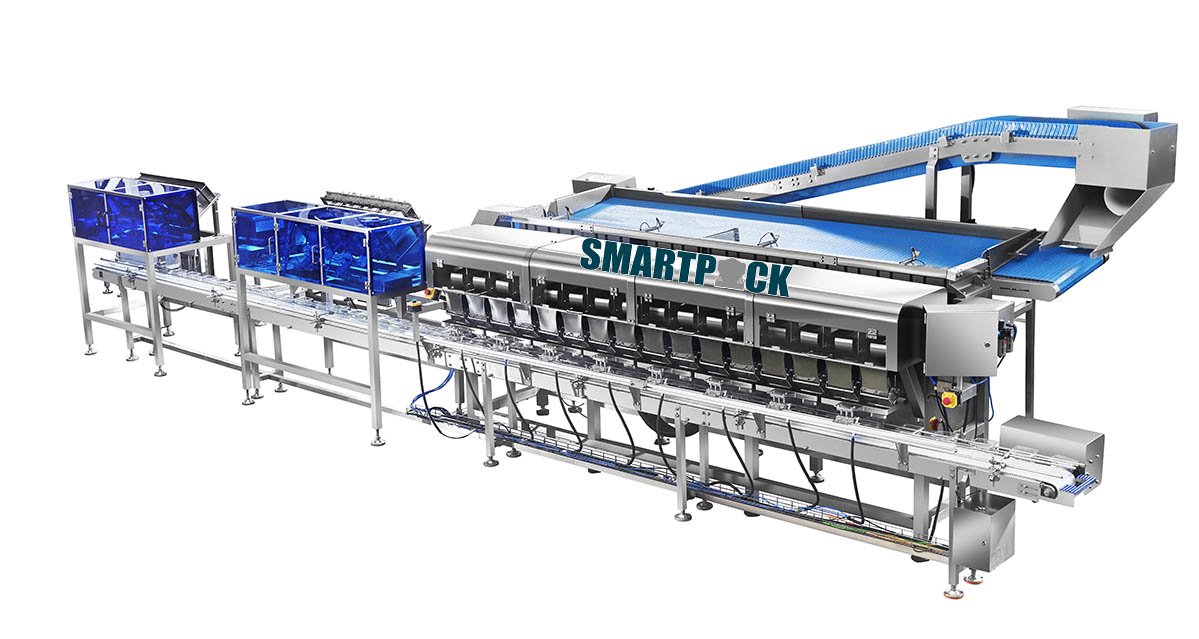
How to Help Your Machine Supplier Assess Your Clamshells
Two clamshells designed for the same fill weight can behave differently on a packing line. One may separate easily from the stack, while another with tighter rims or more flexible sidewalls may need a different denesting setup.
If you’d like an initial assessment, show your equipment supplier these three details.
| What to show | How to film it | Why it matters |
|---|---|---|
| The gap between stacked clamshells | Film a stack of empty clamshells from the side, with a ruler beside it if possible. Make sure the gap between two adjacent rims is visible. | The gap helps the supplier assess how the denester might separate one container at a time. |
| How easily the plastic flexes | Gently squeeze the sidewall and rim of an empty clamshell, then release it while filming. | The supplier can see how easily the container bends and whether it returns to shape. This helps identify potential issues during separation or positioning. |
| The hinge and latches | Open and close one clamshell on camera. Show the hinge and the front latches up close. | The lid and latch design help the supplier assess how the container can be guided through filling and closing. |
If you use several formats, film each one separately and include its outside dimensions, target net weight, and required output. This helps the supplier flag likely adjustments for each format before you send samples.
What the Factory Trial Confirms
A video shows how your clamshell stacks and flexes by hand. To confirm that it runs reliably on the machine, send a stack of each format you plan to use to the Smartpack factory.
| Station | What the trial checks |
|---|---|
| Denesting | Whether the machine repeatedly releases one clamshell at a time as the stack gets shorter. |
| Conveying and positioning | Whether the empty container stays aligned under the filling outlet and the open lid clears the fruit path. |
| Filling | Whether the blueberries fit at your target net weight without spilling or getting caught around the rim. |
| Closing | Whether the filled clamshell latches securely and stays closed as it moves downstream. |
An empty clamshell may close easily by hand. Once it’s filled to the target weight, a berry sitting across the rim can keep the latch from engaging. A trial with blueberries shows whether the container has enough room for the lid to close consistently during repeated runs.
What the Results Mean for Your Line
For each format, you’ll want to know whether it can run as supplied, whether guide or setting adjustments are enough, or whether it needs dedicated denesting or closing parts. If you switch between clamshell sizes during a shift, those results help you see what each changeover will involve.
Ask for the measured output in properly filled and closed clamshells per minute, along with the target net weight and test duration. That gives you a figure you can compare with your production requirement for the exact format you use.
If you’re evaluating a new line and want to keep your current clamshells, send Smartpack a short video of each format along with your target fill weight and output. The team can review the containers with you and confirm which samples to send for a machine trial. Explore the Smartpack blueberry packing line.