

Smartpack configured this instant coffee jar packing machine line to connect empty-jar feeding, powder dosing, weight inspection, capping and labeling. The customer wanted to reduce repeated manual handling and coordinate the operations between filling and finished-jar collection.
The configuration uses a servo-driven auger filler for instant coffee powder, followed by an inline checkweigher before capping. Jar handling, filling settings and closing components are matched to the selected product and container.
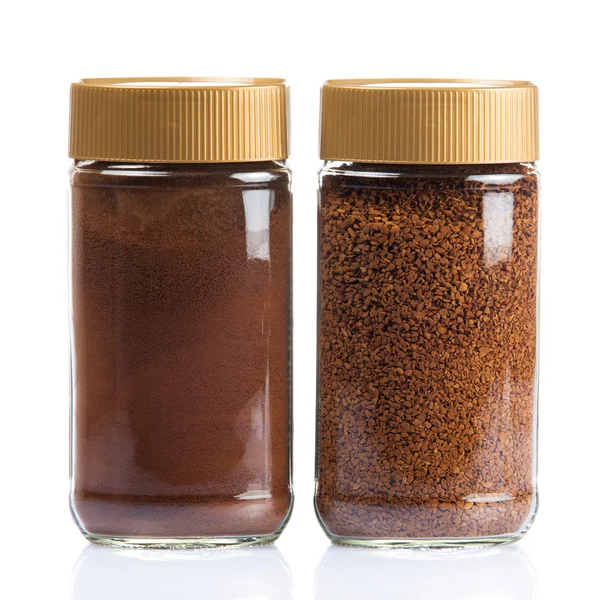
The Customer Needed a Connected Packing Process
The customer's existing manual and semi-automatic operations were becoming difficult to manage as production demand increased. Filling, closing and transferring jars needed to keep pace with one another.
The project focused on three requirements:
- Supply and position empty jars for automatic powder filling.
- Check filled jars before they entered the closing stage.
- Connect capping, labeling and finished-jar collection to reduce manual transfer.
Smartpack reviewed these operations as one jar filling and packing line. The configuration also needed to accommodate the customer's intended jar formats and provide access for replenishment and cleaning.
From Empty Jars to Labeled Coffee Packs

The line brings the following equipment together:
| Equipment | Role in the packing process |
|---|---|
| Automatic jar feeder | Supplies empty jars to the conveyor |
| Conveyor and positioning system | Transfers jars and locates them at the filling station |
| Servo-driven auger filler | Meters the selected powder dose into each positioned jar |
| Inline checkweigher | Checks filled-package weight and rejects jars outside the configured limits |
| Cap elevator and feeder | Supplies the specified caps to the closing machine |
| Automatic capping machine | Applies and tightens the selected screw caps |
| Jar labeling machine | Applies the specified labels |
| Collection table | Receives finished jars for the following packing operation |
Jars pass through filling, checkweighing, capping and labeling before reaching collection. The cap feeder supplies caps separately as jars approach the closing station.
The transfers between these machines are part of the configuration. Jar spacing and conveyor settings must allow each station to accept the incoming containers consistently.
Why This Configuration Uses an Auger Filler
This project is configured for instant coffee in powder form. The servo-driven auger meters product through screw rotation, with dosing settings selected for the target weight and powder behavior.
Smartpack reviews the auger components together with the filling outlet and jar opening. A small opening can restrict the discharge arrangement, while a larger target weight may require more filling time.
Bulk density matters as well. Two coffee powders can occupy different volumes at the same net weight. Changes in formulation, powder condition or hopper replenishment can require dosing adjustments.
The powder filling configuration should therefore be confirmed with the coffee intended for production. For coarse or fragile freeze-dried granules, the feeding and dosing method needs a separate assessment using samples.
Keeping Powder Away from the Jar Rim
Powder around the rim can interfere with the following closing operation and create additional cleaning work.
The filling review includes jar centering, outlet height and the powder discharge path. The container must remain in a repeatable position while the dose enters, then leave the station steadily.
Dust extraction is considered alongside these settings. Its position and operating conditions should be adjusted for the actual powder and filling arrangement.
Changing to a taller jar or a different opening diameter can affect those relationships. Smartpack reviews the filling position and relevant format parts for each container size.
Checking Filled Jars Before Capping
The inline checkweigher provides an additional inspection point after dosing. Jars outside the configured weight limits are rejected before closing.
At this location, the measured weight includes the jar and its powder contents. Inspection limits need to account for the container weight and its variation.
For that reason, the powder net-weight tolerance and the checkweigher's gross-weight limits should be defined separately. A fixed container tare cannot precisely represent every jar when empty-container weights vary.
The weight results also help operators identify a developing dosing trend and review the powder supply or filling settings. Automatic feedback to the auger filler is a separate control function that should be specified when required.
Matching Capping and Labeling to the Jar
The cap elevator, feeder and capping machine are configured for the selected cap. Cap dimensions, thread details and jar support affect reliable presentation and tightening.
The proposed closing arrangement should identify the included lid type and any format parts required for alternatives. Packs that need an additional membrane or induction seal require that operation to be specified separately.
Labeling is matched to the jar shape, label size and placement. Round and square containers can need different guiding or orientation arrangements.
The collection area also needs sufficient capacity for the following operation. If finished jars are manually packed into cases, the collection and case-packing pace should be included in the output review.
Reference Configuration and Output
The following figures describe the reference equipment range. The final operating specification depends on the actual coffee powder, target weight, jar and closure.
| Item | Reference or selection requirement |
|---|---|
| Product | Instant coffee powder |
| Dosing system | Servo-driven auger filler |
| Reference filling range | 10–1,000 g, with suitably selected filling components |
| Reference speed | 40 jars/min; confirm output for the selected product and format |
| Filling accuracy | Agreed for the actual powder, target weight and operating conditions |
| Jar formats | Round or square jars, subject to handling and closing compatibility |
| Inspection | Inline checkweighing before capping |
| Finished output | Capped and labeled jars delivered to collection |
The 40 jars/min reference should be reviewed across the complete process. Filling a heavier dose, handling a different jar or changing the closure can affect the achievable output.
For a similar project, Smartpack confirms the main production format first, then reviews the other weights and jar sizes individually.
Planning a Similar Instant Coffee Jar Packing Line
Send Smartpack your coffee powder information, target net weights, permitted weight variation, jar drawings, cap samples, label details and required output for each format.
Include the available workshop space, existing machines and how finished jars will be collected or case-packed.
We can recommend the filling components, review the container and closure range, and prepare a configuration covering the included stations and format parts.
Contact info@smartpackmc.com to discuss your coffee jar packing project.